

Has your normally outgoing dog suddenly started hiding under the bed, or is your well-behaved cat having accidents outside the litter box? When a pet’s behavior changes dramatically, it’s natural to feel frustrated and wonder if it’s just a phase. However, unexplained aggression, withdrawal, or house soiling often have medical roots rather than purely behavioral ones. Illnesses like hormonal imbalances, infections, or pain can alter a pet’s actions. Recognizing these subtle warning signs is crucial to ensuring your animal gets the quick care and treatment they need.
At St. Petersburg Animal Hospital and Urgent Care, our veterinarians understand that behavior is one of your pet’s strongest communication tools. Whether through our wellness exams or urgent care services, we help families identify when shifts in behavior signal an underlying problem and restore pets to their happy, comfortable selves.
Understanding Sudden Behavioral Changes
Every pet expresses discomfort differently. A once-playful cat that hides in the closet, or a dog that starts guarding food or growling, may not be “acting out”- they may be in pain or distress. Paying attention to when these changes started, what seems to trigger them, and how severe they’ve become gives our diagnostic team valuable clues. These details help us distinguish between medical issues requiring immediate treatment and behavioral concerns that may respond to environmental modifications.
Behavioral shifts can reveal much about your pet’s health:
- Aggression or irritability may stem from pain or frustration, often seen in pets with arthritis or dental disease.
- Lethargy or withdrawal could signal fatigue, systemic illness, or depression related to chronic pain.
- Increased vocalization may indicate stress, anxiety, or sensory decline.
- House soiling or litter box avoidance is common in cats with urinary or mobility issues.
- Destructive or anxious behaviors can develop during separation anxiety.
- Sensitivity to touch may be linked to undiagnosed pain or feline hyperesthesia syndrome
- Increased clinginess or avoidance can signal emotional distress or physical discomfort.
- Changes in grooming habits or sleep patterns often accompany illness or discomfort.
- Acting dazed, staring into space, or standing in corners can be a sign of liver or brain disease
Take note of how often these behaviors happen, what circumstances seem to bring them on, and whether they’re getting worse over time. This information significantly aids our veterinarians in determining whether the root cause is physical illness or behavioral stress. If your pet seems painful or withdrawn, our urgent care team can assess their condition the same day.
Medical Causes of Sudden Behavior Changes
Medical issues are among the most common and overlooked reasons behind personality shifts in pets. Pain from arthritis, ear infections, or dental disease can all alter behavior, making pets irritable and withdrawn. Hormonal imbalances such as hyperthyroidism and high blood pressure often cause restlessness, increased vocalization, or irritability, particularly in older cats. “Laziness” can be lethargy from infection, hypothyroidism, anemia, or a number of conditions.
Changes in bathroom habits often signal underlying illness. Urinary tract infections or feline idiopathic cystitis are conditions causing pain while urinating, while issues like inflammatory bowel disease or food allergies cause gastrointestinal discomfort leading to behaviors that are mistaken for “being bad”- when they’re actually cries for medical help. A pet experiencing discomfort during urination or defecation may begin having accidents in the house, not out of defiance, but because they associate the litter box or their usual elimination spot with pain.
Because so many behavior changes can signal a large variety of problems, diagnostics are key to unlocking the answers. At St. Petersburg Animal Hospital and Urgent Care, we offer complete internal medicine services to investigate these complex cases. Our team uses in-house diagnostics to evaluate bloodwork, organ function, and hormone levels so we can pinpoint the problem quickly and start effective treatment right away.
Environmental Stressors and Routine Changes
Pets thrive on routine. A new baby, home renovation, or even a shift in work schedule can introduce anxiety. Cats in particular are sensitive to stress from triggers like loud noises, unfamiliar scents, or territory changes. Dogs can experience separation anxiety when daily schedules shift, while noise aversion can cause fear responses that persist long after the triggering sound has stopped.
Even subtle changes like furniture rearrangement, new scents from cleaning products, or increased household activity can trigger reactions in sensitive pets. In multi-pet households, tension between cats or competition for resources can create chronic stress that manifests as hiding, aggression, overgrooming, or elimination problems. Understanding these environmental triggers is the first step toward helping pets feel secure again.
IOur veterinary team provides behavior-focused consultations and can recommend calming techniques, including pheromone diffusers, nutritional support, or behavioral medication when appropriate, to help your pet feel secure again.
Aging and Cognitive Decline in Pets
Just like people, pets can experience mental decline as they age. Cognitive dysfunction causes confusion, disorientation, and disrupted sleep patterns. You might notice your dog pacing at night or your cat meowing for no clear reason.
Senior pets may also experience sensory changes that affect behavior. Hearing loss can make pets seem less responsive or more easily startled, while vision loss from conditions like cataracts, glaucoma, or retinal degeneration can cause disorientation and anxiety. Pets adapt remarkably well to sensory changes when given proper support, and recognizing conditions early helps owners make accommodations to keep pets safe and comfortable.
Comprehensive Veterinary Diagnostics
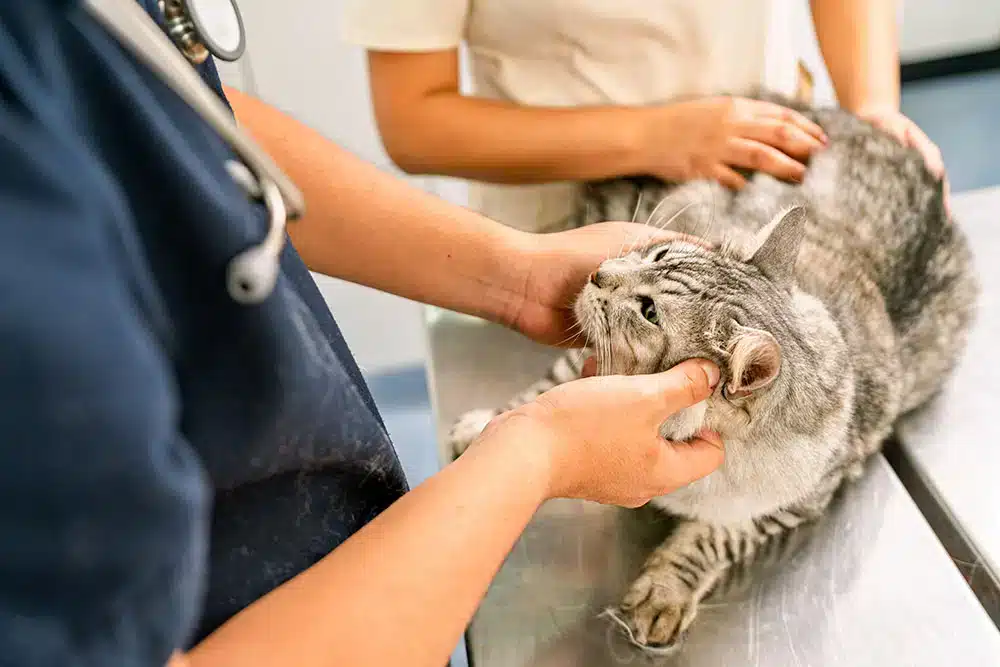
Because so many health conditions manifest as behavior changes, comprehensive testing is key. Physical exams, bloodwork, urinalysis, and imaging reveal what’s happening beneath the surface. Routine blood work can uncover thyroid, liver, or kidney issues long before symptoms become visible.
At St. Petersburg Animal Hospital and Urgent Care, we provide on-site lab testing, X-rays, and ultrasound to deliver fast, reliable answers. The benefits of in-house laboratory capabilities mean same-day results that reduce wait times and allow quick treatment initiation. Our internal medicine team collaborates closely with you to interpret results and outline treatment options that fit your pet’s needs and your comfort level.
Treatment and Management Strategies for Behavior Changes
Once we identify the cause, treatment is tailored to your pet’s specific needs. Multimodal care may include pain relief, medication for anxiety or endocrine disorders, or lifestyle adjustments. Because every pet and household is different, we focus on realistic solutions- whether that’s a new diet, structured exercise, or environmental modifications.
Specific treatment modalities may include comprehensive pain management programs, geriatric care protocols designed for aging pets, dental cleanings to alleviate pain and infection, laser therapy for reducing inflammation and pain, surgical repair of orthopedic problems, or monitoring protocols to adjust treatment plans as pets improve. Our veterinarians work closely with families to create plans that balance medical treatment with comfort and manageability, emphasizing client education and how consistency, routine, and empathy contribute to long-term success.
Our compassionate team at St. Petersburg Animal Hospital and Urgent Care focuses on comfort, communication, and trust in helping both pets and families feel supported throughout care.
Behavior Modification and Enrichment
Healing doesn’t stop at medication. Medical treatment is only part of the solution- behavior modification, training, and enriching routines build confidence and emotional resilience. Using positive training builds trust and reduces anxiety. Introducing dog enrichment activities like scent games, puzzle feeders, structured play, and exercise promotes focus and reduces anxiety in dogs. Cats also thrive on enrichment, which may include climbing spaces, foraging toys, or safe hiding areas that satisfy natural instincts.
Daily activities like walks, puzzle feeders, and interactive play strengthen bonds and reduce stress while promoting a sense of control and calm. These enrichment strategies help restore your pet’s sense of security and joy. Our team can guide you in choosing appropriate activities based on your pet’s health, mobility, and temperament during your next wellness visit, designing personalized enrichment strategies that work for your unique situation.
Taking Action When Your Pet Needs Help
Sudden changes in behavior are never “just in your pet’s head.” They are messages- often urgent ones- about how your pet feels physically or emotionally. Behavior changes are a pet’s language for discomfort or distress, and timely care can make all the difference. Trust your instincts and reach out for help early. If something doesn’t seem right, we’re here to help.
If your pet seems uncomfortable, anxious, or uncharacteristically quiet, contact us right away for urgent care and same-day evaluation. You can also reach our team to schedule a comprehensive wellness exam or discuss ongoing concerns.
At St. Petersburg Animal Hospital and Urgent Care, we believe in real medicine, real access, and real partnership. Together, we’ll uncover the cause behind your pet’s behavior and help them feel like themselves again.






Leave A Comment