

Do you ever notice your dog hesitating to chew their favorite toy or turning away from their food bowl? If you have a bulldog, pug, or another flat-faced breed, you adore their sweet, squished expressions. But those compact jaws that give them their unique look also create a silent struggle: crowded teeth and hidden dental issues. It can be hard to spot a problem until the pain is severe. Regular cleanings and X-rays are vital for preventing pain, infection, and early tooth loss in these lovable family members, helping them chew, play, and live comfortably.
At St. Petersburg Animal Hospital and Urgent Care, our experienced team understands the special care these breeds require. We perform comprehensive dentistry services that include full-mouth digital X-rays, tailored cleanings, and precise oral surgery when needed, all with transparent pricing and individualized anesthetic planning.
Unique Dental Needs of Brachycephalic Breeds
Common Brachycephalic Breed Dental Issues
Flat-faced dogs and cats, also known as brachycephalic breeds, have shorter skulls and narrower nasal passages. This compact anatomy crowds their teeth, causing overlapping and rotation that make it difficult to keep the mouth clean. Food debris easily gets trapped between teeth, and saliva flow can’t always flush it away. As a result, these dogs are highly prone to dental disease even at a young age.
Which Breeds Are Most Affected?
Among dogs, brachycephalic breeds include English Bulldogs, French Bulldogs, Pugs, Boston Terriers, Boxers, Shih Tzus, Cavalier King Charles Spaniels, and Pekingese. Each of these breeds shares the shortened muzzle that creates unique dental challenges. In cats, brachycephalic breeds such as Persians, Himalayans, Exotic Shorthairs, and Scottish Folds face similar oral health concerns due to their flat faces and compressed jaws. Whether canine or feline, these beloved companions require vigilant dental monitoring from puppyhood or kittenhood onward to prevent painful complications as they age.
Owners may notice persistent bad breath, yellow buildup along the gumline, or red, irritated gums. Left untreated, this can quickly progress to tooth loss, infection, or jawbone damage. Dental bacteria can even enter the bloodstream, affecting major organs over time. Regular wellness visits and cleanings at our clinic allow us to catch these problems early and create a customized home-care plan to maintain healthy teeth year-round.
Dental Challenges in Brachycephalic Breeds
Malocclusions and Tooth Crowding
When the jaw is shortened but the number of teeth stays the same, something has to give. Teeth in brachycephalic breeds often erupt at odd angles or in tight clusters, leading to malocclusion, a misalignment of the bite that can cause painful rubbing, gum injury, and uneven wear. In severe cases, a tooth may press into the roof of the mouth or cheek tissue.
Underbites and Exposed Teeth
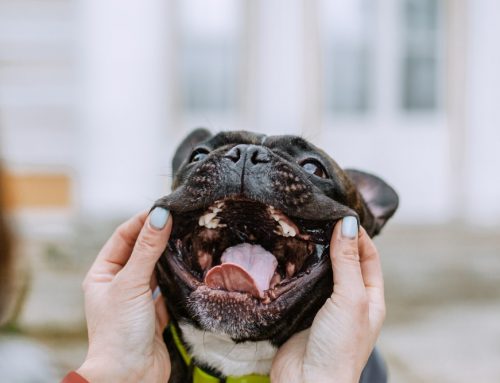
One of the most recognizable features of many flat-faced breeds is the underbite, where the lower jaw extends beyond the upper jaw, causing the lower teeth to protrude in front of the upper teeth. While this underbite may look endearing, it creates serious functional problems. When teeth don’t align properly, they wear unevenly, and some may rub painfully against the gums or palate. More concerning is that teeth exposed outside the mouth- such as lower canines that stick out when the mouth is closed- don’t receive the same protective benefits of saliva. Saliva naturally bathes the teeth, washing away food particles and providing enzymes that help control bacterial growth. Exposed teeth dry out, accumulate plaque more rapidly, and become vulnerable to decay, fractures, and gum recession. Owners may notice these teeth appearing discolored, damaged, or surrounded by inflamed tissue. In severe cases, exposed teeth may need to be extracted or orthodontically repositioned to prevent chronic pain and infection.
These compact mouths also make daily hygiene tricky. Even a diligent owner may not be able to reach all areas where plaque hides. Deep cleaning under anesthesia and full-mouth X-rays are essential for assessing hidden infection and bone loss.
Our team carefully evaluates bite alignment and may recommend selective extractions to create space, reduce pressure, and relieve pain, all under the safest anesthetic and monitoring standards. We also provide preventive counseling for owners of young flat-faced dogs to address alignment issues before they cause permanent damage.
Cleft Palates and Congenital Issues
Brachycephalic breeds are also at higher risk for congenital abnormalities like cleft palates, where the roof of the mouth doesn’t fully close during development. This opening between the mouth and nasal cavity allows food and liquid to pass into the nasal passages, leading to chronic infections, difficulty eating, aspiration pneumonia, and stunted growth in puppies and kittens. Cleft palates can range from small gaps in the soft palate to large openings involving the hard palate and lips. While some mild cases may go unnoticed initially, most affected pets show symptoms early, including nasal discharge, coughing during feeding, or failure to thrive. Surgical repair is often necessary and should be performed by an experienced veterinary surgeon once the pet reaches an appropriate age and weight. Early detection during wellness exams is critical, as timely intervention can dramatically improve quality of life and prevent life-threatening complications.
We carefully examine every flat-faced puppy and kitten for signs of cleft palate and other structural abnormalities, providing referrals to specialists when advanced surgical correction is needed.
Gingival Issues and Infections
Chronic crowding can cause the gums to overgrow, trapping debris and bacteria that fuel infection. This condition, known as gingival enlargement, leads to bleeding, swelling, and a tendency for food to cling beneath the gumline. Bulldogs are especially prone to this. Once the infection takes hold, it can spread to tooth roots and underlying bone, creating abscesses or painful pockets of decay.
At St. Petersburg Animal Hospital and Urgent Care, every pet receives a comprehensive oral exam and, when needed, treatment to remove excess gum tissue and control infection. We prioritize comfort with modern pain management and gentle handling that keeps pets relaxed before, during, and after care. Addressing gingival disease early not only prevents tooth loss but also protects the heart and kidneys from bacteria entering the bloodstream.
Preventive Dental Care
Regular Dental Cleanings and Exams
Routine dental care is the best defense against serious oral disease. Brushing your dog’s teeth daily, providing vet-approved dental chews, and scheduling professional cleanings make all the difference. During your pet’s visit, our veterinarians perform a full-mouth X-ray to detect any hidden disease and check for retained puppy teeth that may interfere with permanent tooth growth.
Early deciduous teeth removal in puppies with overcrowded mouths prevents alignment issues later in life. For adults, annual professional cleanings under anesthesia ensure that plaque below the gumline is removed, something brushing alone can’t achieve. We also review your pet’s diet, as high-carbohydrate foods can accelerate tartar buildup, especially in flat-faced dogs prone to dry mouth or irregular chewing.
We’ll also show you how to brush effectively at home and recommend products designed for your dog’s specific needs. Our team takes pride in providing clear pricing, detailed aftercare instructions, and easy-to-follow home routines that make ongoing dental health achievable.
Anesthesia Considerations for Brachycephalic Pets
Safe Dental Procedures
Because of their shortened airways, flat-faced breeds need extra attention during anesthesia. Specialized airway management, precise monitoring, and careful recovery plans help ensure safety during every procedure.
Our veterinarians use advanced monitoring equipment and follow best practices for anesthesia for short-nosed pets. Each patient undergoes pre-anesthetic bloodwork and a tailored anesthetic plan to reduce stress and risk. We also maintain close temperature and oxygen monitoring throughout the procedure. With round-the-clock supervision from our surgical and recovery team, we make sure every pet wakes up comfortably and smoothly.
For more complex cases, our surgical team is experienced in working with brachycephalic anatomy, using gentle techniques and precise airway management. Our goal is to provide peace of mind for owners and maximum safety for pets.

Proactive Dental Health Management for Brachycephalic Breeds
Caring for a flat-faced pet’s mouth takes a little extra effort, but the rewards are worth it. With consistent at-home care and professional cleanings, these breeds can live long, comfortable lives free from oral pain.
At St. Petersburg Animal Hospital and Urgent Care, we believe great dentistry should be both high-quality and accessible. Our local, family-run team offers honest communication, transparent pricing, and comprehensive care under one roof. We go beyond treating existing disease and partner with you to prevent future problems and protect your pet’s smile for life.
If your pet has bad breath, drools excessively, or avoids their favorite chew, it’s time for a checkup. Schedule a visit through our dentistry page or contact us to book an appointment. Whether it’s routine cleaning or advanced treatment, we’re here to help your pet feel their best, today and every day.





Leave A Comment