

The right itch relief for a dog or cat comes down to what is causing the scratching, how severe it has become, and whether your pet needs relief for a few weeks or for life, so no single medication wins for every pet. Fleas, a food ingredient, and airborne allergens can all produce the same raw skin and midnight scratching, yet each calls for a different treatment path. Some pets settle down on one therapy, while others need several working together before the skin finally calms. And medicating the itch without chasing down the cause usually buys a few quiet weeks followed by the same scratching all over again.
St. Petersburg Animal Hospital and Urgent Care is family owned and focuses on thoughtful, thorough care, which means we spend the visit actually untangling the itch instead of rushing to a prescription. We start with a thorough skin and coat exam, rule out fleas and other parasites, and talk through whether a food trial makes sense before any long-term medication decision gets made. Our walk-in and same-day urgent care is there for the flare-ups that cannot wait for the next open appointment, and our transparent pricing means you will know what each option costs before you commit to anything. If the scratching has stopped responding to whatever you have tried, get in touch and we will help you sort out what your pet’s skin is really fighting.
Start Here: The Itch-Relief Basics
- Itch is a symptom, not a diagnosis, so the fastest route to lasting relief is figuring out what’s driving the scratching before reaching for any medication.
- Targeted therapies like JAK inhibitors and monoclonal antibody injections have largely replaced daily steroids for long-term allergy control in dogs.
- Most allergic pets have more than one allergy at the same time, which is why a single treatment so often falls short.
- Topical care, year-round parasite prevention, and the right nutrition are core parts of the plan, not optional add-ons.
What Is Actually Making Your Dog or Cat So Itchy?
Allergic itch almost always traces back to one of three buckets, and many pets are juggling more than one at once. The scratching, licking, chewing, ear infections, and scabby or raw skin are all clinical signs of an overactive immune system, and they don’t look the same in every patient. The three main allergy types also cause overlapping symptoms, making them hard to distinguish without testing.
Environmental Allergies and Atopic Dermatitis
Atopic dermatitis is the most common allergic skin condition, driven by an immune system that overreacts to everyday environmental particles like pollen, dust mites, and mold that a healthy pet simply ignores. Around St. Petersburg, warm Gulf Coast humidity means pollen and mold rarely take the winter off, so what’s a spring-and-fall problem in colder regions runs closer to year-round here.
Flea Allergy Dermatitis
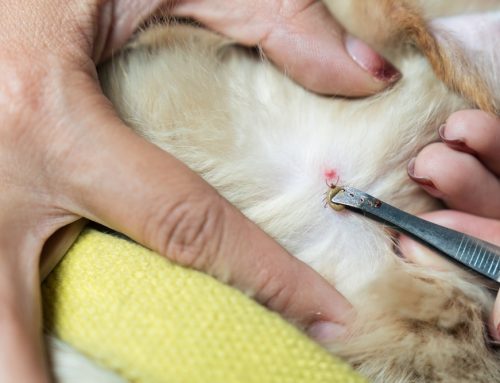
Flea allergy dermatitis is a hypersensitivity to proteins in flea saliva, and a single bite can set off weeks of relentless itching even when you never spot a live flea on your pet. The damage usually clusters over the rump and tail base, and cats may develop eosinophilic granuloma complex, a set of raised, inflamed skin lesions. Florida’s beautifully mild climate means fleas flourish all year long.
Food Allergies
A food allergy is an immune reaction to a specific dietary ingredient, and it can switch on at any age, even in a pet who’s eaten the same food for years. Confirming one takes a strict food allergy diet trial rather than a blood or saliva test, feeding one novel or hydrolyzed protein for weeks with no treats or table scraps slipping through. And despite the grain-free marketing, the trigger is almost always a protein like beef, chicken, or dairy rather than the grain.
How Fast Does an Itchy Pet Need to Be Seen?
Most itching is a this-week problem rather than a right-now one, but a few allergic reactions are true emergencies. The dividing line is whether the skin is the only thing involved or whether breathing, swelling, or overall stability is changing.
A sudden allergic crisis with facial swelling, widespread hives, vomiting, or collapse points to anaphylaxis, which needs care right now rather than a next-day appointment. Any respiratory distress, such as open-mouth breathing in a cat or labored, noisy breaths, lands in that same drop-everything category.
| Urgency | What it looks like | What to do |
| Emergency | Facial swelling, collapse, trouble breathing, widespread hives | Call ahead and we’ll tell you whether to come to us or go straight to the nearest emergency hospital |
| Same-day | Raw or bleeding skin, a painful hot spot, a swollen ear, sudden intense itch | Reach us for same-day urgent care |
| Schedule soon | Gradual scratching, mild recurring itch, seasonal flares | Book a routine workup appointment |
Why Do Diagnostics Come Before Treatment?
Chasing the itch with medication before you know its source is the single biggest reason allergy cases stall out or come roaring back. A pet can carry several problems at once, an underactive thyroid, mites, a secondary infection, and an allergy layered together.
- In the ears and on the skin: Skin and ear cytology tell us whether a secondary infection has developed and if we are fighting mites, yeast, bacteria, or all three, which changes the medication plan entirely.
- In the blood: Screening for hypothyroidism, Cushing’s disease, and other hormonal drivers rules out the internal problems that can mimic or worsen skin disease.
- In the food bowl: A structured elimination diet trial is the only reliable way to confirm or rule out a food trigger.
Sorting through all of that is the job of a proper diagnostic workup, and our in-house lab means many answers come back during the same visit instead of days later.
Why Is Topical Therapy So Important?
Topical care does something no pill can, working directly on the skin surface where the trouble is, and a strong routine often lowers how much systemic medication a pet ends up needing. Topical therapy pulls triple duty by rinsing allergens off the coat, treating surface infections, and rebuilding the skin barrier.
The core pieces are simple and worth doing well:
- Medicated baths: The active ingredients need real contact time, usually around ten minutes, before you rinse, which is where a rushed bath falls short.
- Ear cleaning: Regular, gentle ear cleaning keeps allergic ears from tipping over into full infections.
- Spot treatments: Sprays, mousses, and wipes between baths help prevent infection in problem spots like facial folds, feet, and hot spots.
Product choice depends on each pet’s individual needs, and there are a multitude of options to choose from that support skin health, decrease itchiness, and prevent infection. Our team will recommend the best one for your pet.
What Are the Modern Allergy Medication Options?
The strongest, most durable outcomes almost always come from a layered plan rather than one hero medication, with each piece covering a gap the others leave. Modern allergy care has moved well beyond a single go-to drug, and several distinct medication classes each bring a different mechanism, speed, and best use. Matching the right ones to your pet depends on the diagnosis, the species, and whether we’re fighting a sudden flare or settling in for the long haul.
JAK Inhibitors
Apoquel, Zenrelia, and Numelvi are oral JAK inhibitors that switch off itch and inflammation signals within hours, working equally well for a sudden flare or steady day-to-day control. This class isn’t appropriate for every pet, but for many these medications are life-changing.
Cytopoint
Cytopoint is an every-4-to-8-week injection of a lab-made antibody that blocks the main itch-signaling protein behind canine atopic dermatitis, though it’s approved for dogs only. Because it works like the body’s own immune proteins rather than a traditional drug, it’s gentle on the liver and kidneys and a strong fit for dogs whose families would rather not give a daily pill.
Cyclosporine
Atopica is an oral form of cyclosporine that builds to full effect over several weeks by modulating the immune response. It shines for steady long-term control rather than putting out an acute fire, so we often pair it with something faster at the start.
Antihistamines
Antihistamines block just one of the several chemicals involved in allergic itch, so their effect is modest and varies a lot from pet to pet, which makes them best for mild cases or as an inexpensive add-on. Many over-the-counter allergy products contain decongestants or other ingredients that are dangerous for pets, so check with us before giving anything from the medicine cabinet.
Corticosteroids
Steroids still calm a severe flare faster than almost anything else, but the increased thirst, hunger, and long-term organ strain that come with daily use are why they’re no longer the default for ongoing control. They remain useful as a short bridge while a slower medication takes hold, or for a brief, miserable flare.
Allergen-Specific Immunotherapy
Delivered as drops under the tongue, sublingual immunotherapy is the only approach that retrains the immune system instead of masking the symptom, with real improvement unfolding over 12-18 months. It starts with blood or skin allergy testing to identify the specific triggers, then gradually desensitizes the response to them.
Parasite Prevention
A pet with any allergy has sensitive skin that will react more strongly to a flea bite compared to a non-allergic pet. That’s why year-round parasite prevention is non-negotiable for any allergic pet, and we can help you pick a flea and tick preventive that fits your household.
Supplements
There are a number of allergy supplements available; some work, and some are a complete waste of your money.
- Omega-3 supplementation from fish oil adds a gentle anti-inflammatory boost that is proven to help decrease allergy symptoms when used long term.
- Palmitoylethanolamide (PEA) is another fatty acid that has been shown in studies to decrease itchiness from allergic skin disease.
- Specific strains of probiotics have been shown to help reduce allergy symptoms when used daily.
The biggest takeaway with allergy supplements is that quality and dose matter; most of the multi-ingredient allergy supplements available over the counter do not have ingredients that are high enough in quality or dosage to help. Our online pharmacy carries vet-trusted options that are quality-tested, and our team can point you in the right direction; just ask us at your next visit or give us a call.

Frequently Asked Questions About Pet Allergy Treatment
My dog has been on steroids for years. Should we switch?
For many dogs, yes, it’s worth revisiting. Long-term daily steroids carry real trade-offs, and the targeted therapies available now didn’t exist in their current form years ago, so a dog started back then may have safer options today. We’d run a fresh exam, confirm the diagnosis, and taper carefully onto a newer plan rather than stopping abruptly.
Which allergy options actually work for cats?
Cats have fewer labeled choices than dogs, but they’re far from out of luck. Cyclosporine is one of the best-tolerated long-term options for feline allergic skin disease, and certain JAK inhibitors are used in cats as well, though the monoclonal antibody injection is approved for dogs only. Strict flea prevention and topical care matter just as much for cats, and diet trials work the same way across both species.
How long until I know a treatment is working?
It depends entirely on which treatment. A JAK inhibitor can quiet the itch within hours, while immunotherapy is a months-long project measured in seasons, not days. We’ll tell you what timeline to expect up front so a slow-building medication doesn’t feel like a failure when it’s simply still ramping up.
We’ve tried everything and nothing works. Now what?
When a case truly stalls, it almost always means something in the diagnosis was missed, a lingering secondary infection, an overlooked food trigger, a bath routine that isn’t getting real contact time, or a second allergy hiding under the first. That’s our cue to take a fresh look at the case from the ground up rather than piling on more medication.
Building Your Pet’s Complete Itch-Relief Plan
Allergic skin disease rarely surrenders to a single intervention, and the pets who get the most lasting relief are the ones on a layered plan that gets adjusted as their skin responds over the seasons. That kind of steady care is exactly what a long-term relationship with the same veterinary team makes possible.
If the scratching has taken over your household, or a plan that used to work has quietly stopped, we’d love to help. Having a veterinarian who knows your pet and their history makes every adjustment sharper. Reach out to St. Petersburg Animal Hospital and Urgent Care, and let’s build something that finally gives your dog or cat some peace.






Leave A Comment