

Helping a senior pet move with less arthritis pain usually requires more than one strategy, and the combination of medications, supplements, weight control, and physical rehabilitation is more effective than any single treatment alone. Osteoarthritis is a progressive joint disease, meaning the cartilage that cushions bones gradually wears down and the inflammation that follows becomes self-sustaining. The goal of modern management is not to wait until a pet is visibly struggling but to slow that progression early, reduce inflammation, and support the joints through multiple pathways at once.
St. Petersburg Animal Hospital and Urgent Care is a family-owned practice committed to giving you a clear picture of your pet’s options, without the corporate overhead that often inflates costs. Our wellness care includes senior mobility screening and early detection of age-related changes, so arthritis does not have to be far along before we start working on it. If your older pet has seemed slower to get up, reluctant to jump, or just a little less like themselves, request an appointment and we will take a close look together.
The Senior Pet Pain Toolkit at a Glance
- Multimodal beats single-tool: medication plus rehabilitation plus weight control works far better than any one approach.
- Biologics do what NSAIDs cannot: monoclonal antibody therapies, Librela for dogs and Solensia for cats, target arthritis pain through a different pathway.
- Cats are underdiagnosed: more than 90 percent of cats over age 12 show radiographic arthritis, but few get formal treatment.
- Weight is the biggest lever owners control: each pound matters.
What Are the Early Signs of Arthritis?
Arthritis rarely shows up as obvious limping in its early stages. Subtle behavioral and physical changes often appear first and are easy to attribute to “just getting older”, but are actually signs of pain:
In dogs, watch for:
- Stiffness after rest that loosens with activity, then returns
- Limping that comes and goes
- Reluctance to jump on or off furniture or into the car
- Hesitation on stairs, especially going down
- A slower pace on walks or lagging behind
- Sitting with a leg out to the side
- Lying down more during play and difficulty getting comfortable at night
- A subtle personality change, less playful or more withdrawn
In cats, arthritis is dramatically underdiagnosed, since cats almost never limp the way dogs do. Watch instead for:
- Reduced jumping or hesitation before a jump that used to be effortless
- Smaller jumps, like the couch instead of the counter
- Hesitation on stairs or sleeping on lower levels
- Grooming less, especially the back half of the body
- Litter box accidents, since climbing in and out hurts
- Withdrawal, irritability, or reduced interaction
- Sleeping more in one spot rather than moving between rooms
Tracking patterns over time helps more than a single observation, and a short phone video of how your pet moves first thing in the morning or after a nap can be enormously useful at a visit. We welcome those videos at sick visits and routine checks.
What Else Affects a Senior Pet With Arthritis?
Arthritis rarely travels alone in senior pets, and it often coexists with conditions that shape the treatment plan. Some diseases can have the same symptoms as arthritis, so assuming your senior is just slowing down with age could mean not addressing a treatable condition. Some diseases that may also be affecting your senior pet include:
- Endocrine disease like hypothyroidism, Cushing’s disease, and diabetes, which affect treatment choices and also produce symptoms like slower paces, sleeping more, and personality changes.
- Cardiac disease, which affects medication options and exercise tolerance.
- Kidney disease, which limits NSAID use and changes arthritis treatment decisions.
- Obesity, the highest-impact modifiable factor, since each excess pound increases joint load significantly.
- Dental disease, where chronic dental pain compounds the overall pain picture and reduces appetite.
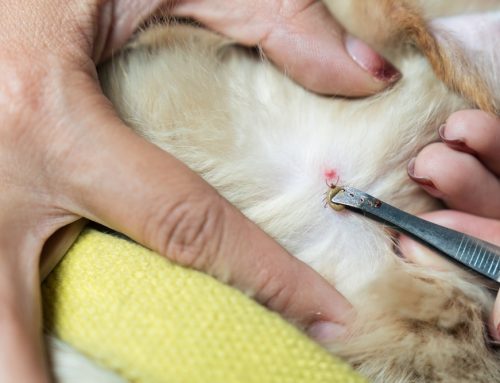
- Tick-borne diseases, like Lyme disease, which causes joint pain and lethargy similar to arthritis.
- Immune-mediated diseases, like rheumatoid arthritis or immune-mediated polyarthritis, which cause identical symptoms but require very different treatments.
- Bone cancer, like chondrosarcoma or osteosarcoma, which also causes a limp and lethargy.
Comprehensive senior care addresses these together rather than in isolation, and our wellness visits include senior screening so the arthritis plan fits the rest of the pet’s health. Ruling out diseases that cause similar symptoms is an important part of arthritis care.
How Do Veterinarians Diagnose Arthritis?
A thorough arthritis exam combines several pieces:
- Hands-on orthopedic evaluation, including range-of-motion testing, palpation for pain, joint crepitus, and muscle assessment
- Gait analysis, watching the pet walk and trot for weight shifts, head bobs, short-striding, and asymmetry
- Body condition scoring, since excess weight worsens arthritis and lean condition is one of the highest-impact interventions
- History review of when changes started, what helps, what worsens, and any prior injuries or surgeries
- Imaging, where digital radiographs confirm joint changes and rule out other problems like luxating patellas, hip dysplasia, bone tumors, or spinal disease
- Preventive testing for seniors, where bloodwork and urinalysis identify organ conditions that affect medication choices and rule out other reasons for slowing down
Early diagnosis matters because the best results come from intervention before significant compensation patterns develop, since once a pet has favored a leg for two years, secondary muscle loss and changes on the opposite limb make management harder.
What Are the Arthritis Treatment Options?
Modern arthritis care is multimodal by design, since different categories address different aspects of the disease and combining them produces results no single tool can match. There are a number of great options for pain relief for dogs and cats, and the treatment plan is built individually for each pet. The table maps the toolkit before the detail below.
| Treatment category | Examples | What it does |
|---|---|---|
| NSAIDs | Carprofen, meloxicam, deracoxib | Reduce inflammation and pain in dogs |
| Biologics | Librela for dogs, Solensia for cats | Block nerve growth factor pain signaling |
| Adjunct medications | Gabapentin, amantadine | Address the neurologic side of chronic pain |
| Supplements | Omega-3s, glucosamine, chondroitin | Gradual joint support over weeks |
| Rehab modalities | Laser, hydrotherapy, exercise | Build muscle, cut pain, restore motion |
| Weight management | Lean body condition | Reduces the stress on joints |
Traditional Arthritis Medications
NSAIDs have been the traditional backbone of arthritis pain management in dogs, with carprofen, meloxicam, deracoxib, and others reducing inflammation and pain effectively at appropriate doses. Smaller and senior dogs often need adjusted doses, periodic bloodwork catches kidney or liver problems early, and you should never combine NSAIDs or mix them with corticosteroids without veterinary guidance because of GI ulceration and kidney injury risks. Cats are different, since most NSAIDs are not appropriate for long-term feline use, though a few specialized options exist that we use carefully.
Joint-supportive supplements like omega-3 fatty acids, glucosamine, chondroitin, and green-lipped mussel build effects gradually over four to eight weeks and work best within a broader plan. Supplements can help joints move more smoothly by providing the nutritional building blocks for healthy cartilage and joint fluid, and by reducing inflammation. They come in a large variety of forms and combinations for both dogs and cats.
Adjunctive medications like gabapentin, ketamine, and amantadine can be used alongside NSAIDs to address the neurologic components of chronic pain, particularly useful in cats and dogs who cannot tolerate NSAIDs. For severe pain, opioids are an option, but come with significant side effects and must be closely monitored.
Biologic Therapies for Arthritis Pain
The newest category uses monoclonal antibodies that neutralize nerve growth factor, a key driver of arthritis pain signaling.
- Librela is a monthly subcutaneous injection for dogs, with most showing meaningful improvement within 7 to 14 days of the first injection. It works through a fundamentally different mechanism than NSAIDs, so it pairs with other therapies and often fits dogs whose kidney or liver function makes long-term NSAID use risky.
- Solensia is the feline version, also monthly, and it has changed the conversation about feline arthritis by providing a safe, effective option for a population where NSAID use has long been limited.
Both are given in the clinic, and we discuss whether biologics are appropriate based on each pet’s overall picture. For most pets, these are a great option either as a first line treatment or used in combination with other medications.
Complementary and Advanced Arthritis Therapies
A growing toolkit of non-pharmaceutical options can be layered into care plans:
- Laser therapy, where low-level laser reduces inflammation and improves tissue healing, often used in a series long-term.
- Acupuncture, increasingly accepted for chronic pain and effective alongside other treatments.
- Chiropractic care, performed by certified veterinary chiropractors to address compensatory spinal restrictions.
- Regenerative medicine like platelet-rich plasma and stem cell therapy, helping to heal damaged joints using the body’s own natural healing factors in a concentrated formula injected near painful joints.
- Therapeutic ultrasound and electrical stimulation, which can reduce pain and improve mobility by accelerating healing.
Ask our veterinary team what is available locally and what fits your pet’s needs.
What Role Does Rehabilitation Play?
Structured rehabilitation for arthritis is one of the most effective interventions available and one of the most underused, targeting pain, mobility, and the muscle support around compromised joints in ways medication alone cannot.
Rehabilitation Therapies
A certified rehabilitation practitioner, often a CCRT- or CCRP-credentialed veterinarian or physical therapist, typically uses:
- Therapeutic exercises targeted to specific muscle groups, using cavaletti rails, balance boards, and Theraband resistance to build the muscles that support joints.
- Manual therapy like massage, joint mobilization, and stretching by trained hands.
- Thermal modalities, with heat to relax tight muscles before exercise and cold to reduce inflammation after.
- Electrical stimulation for targeted pain control and muscle activation.
- Hydrotherapy, where water therapy like swimming and underwater treadmills unload joints while building endurance, especially valuable for pets too sore for land-based exercise.
Why Do Arthritis and Weight Gain Feed Each Other?
Weight management often makes the biggest difference for an overweight arthritic pet. Arthritis and extra weight feed each other in a loop that is easy to slip into and hard to climb out of. A painful joint makes a pet move less, less movement burns fewer calories and adds pounds, and every added pound loads that joint harder and raises the pain. Left unaddressed, the cycle tightens on its own.
That loop is exactly why weight is the single most powerful lever you have. Trimming a pet to a lean body condition takes real load off arthritic hips, knees, and elbows, sometimes enough to lower the dose of medication a pet needs, and it is something you can begin at home right away. The hopeful part is that even modest, steady weight loss runs the cycle in reverse: less load means less pain, less pain means more comfortable movement, and more movement makes the next pound easier to lose.
Getting there is less about feeding dramatically less and more about feeding the right way, with measured portions and a safe, gradual plan set with us. These guides on helping a dog lose weight and helping a cat lose weight walk through how to do it without leaving a pet hungry.

At-Home Arthritis Support
What happens between sessions matters as much as the sessions themselves, and a steady set of rehabilitation exercises at home combined with arthritis-friendly home modifications make an enormous difference in your pet’s ability to move comfortably in their own space.
- Consistent low-impact exercise, daily and moderate, since long sedentary stretches punctuated by weekend hikes invite flares.
- Warm-ups and cooldowns before and after activity, where a five-minute slow walk on each end reduces strain.
- Home modifications for dogs like ramps, non-slip runners, raised feeding stations, and orthopedic bedding.
- Home modifications for cats like steps to window sills, low-entry litter boxes, horizontal scratching posts, and heating pads under beds to warm up still joints.
- Mental enrichment like snuffle mats, food puzzles, and slow trick training that engage older pets without joint stress.
- Daily passive range-of-motion work, gently flexing and extending affected joints during quiet petting time.
- Tracking changes with a monthly mobility note that helps you and your veterinary team adjust the plan.
Frequently Asked Questions About Arthritis in Pets
When Should I Start Arthritis Treatment for My Dog?
Earlier than most owners think. The conventional wait-until-they-limp approach misses years of opportunity, so subtle changes like slowing down on walks, missing a jump, or sitting before stairs are the right time to start the conversation. Early intervention slows progression and preserves function longer.
Are NSAIDs Safe Long-Term for Dogs?
For most dogs with normal kidney and liver function, yes, with appropriate monitoring. Routine bloodwork, typically every six months for chronic use, catches problems early, and we adjust or change medications when something shifts. For dogs with pre-existing kidney or liver issues, biologics like Librela are often a better fit.
Can I Just Give My Cat NSAIDs for Arthritis?
Not safely on a long-term basis without specific veterinary guidance, since cats metabolize NSAIDs differently and are at higher risk for kidney injury with prolonged use. A few specialized feline-approved options exist that we use carefully, and Solensia has changed feline arthritis treatment by providing effective pain control without the same kidney-risk concerns.
Does Weight Loss Really Help That Much?
It helps dramatically. Studies have shown that overweight dogs with arthritis often improve significantly with weight loss alone, sometimes enough to reduce medication needs, because each excess pound increases joint load disproportionately through how leverage works at the hip and knee. It is the highest-impact thing owners control.
Is Rehabilitation Worth the Time and Cost?
For most pets with arthritis, yes. Even a few sessions with a certified practitioner can transform a home routine, address compensation patterns, and produce strength gains that change quality of life. Hydrotherapy is especially valuable for severely arthritic pets who can no longer tolerate land-based exercise.
Taking the First Step Toward Relief
Arthritis is lifelong, but it is also one of the most actively managed conditions in veterinary medicine. The combination of early diagnosis, individualized medication choices, biologics where appropriate, rehabilitation, weight management, and thoughtful home routines means pets can enjoy active, comfortable senior years rather than slowly declining into stiffness.
If your older pet has been slowing down, or you want to build a proactive senior care plan before things become obvious, contact us and our team will work through a plan tailored to your pet.






Leave A Comment