

A handbook for comfort, health, and dignity in your pet’s later years
Gray whiskers and slower strolls are natural parts of aging, but pain, infection, or organ disease should never be dismissed as “just old age.” Many changes develop gradually and can be easy to overlook until a pet stops eating, flinches at touch, or paces through the night in discomfort.
The key to a long and happy senior life lies in vigilant observation, twice-yearly wellness exams, and timely adjustments in diet, dentistry, mobility support, and medical care. At St. Petersburg Animal Hospital & Urgent Care, our goal is to keep senior companions enjoying breezy afternoons by the bay- not sidelined indoors by preventable suffering.
Quality of Life
Comfort is more than numbers on a pain scale. Look at the whole day: ease of movement, appetite and hydration, ability to toilet without distress, sleep that feels restorative, and interest in family routines. Subtle shifts often appear before obvious common pet pain signs, so build a simple routine that captures change without guesswork.
Each evening, jot one or two observations and keep them consistent week to week. A brief checklist keeps it quick:
- Car rides and stairs: leaping up as usual or hesitating at the first step
- Favorite spots: reaching the windowsill or choosing a lower perch
- Meals and water: bowls finished on time or left half-full; thirst rising or steady
- Walks and play: distance and enthusiasm holding steady or tapering
- Litter box or yard trips: posture comfortable or strained, accidents absent or new
A short monthly video of gait, posture, or litter-box habits adds an objective baseline you can compare over time. When several “hard days” cluster or the checklist trends in the wrong direction, schedule an exam so we can adjust pain control, treat nausea or digestive issues, and monitor weight.
Common Causes of Senior Pain
Mobility and Joint Health
As cartilage wears down with age, nearly every pet develops arthritis. Subtle changes like stiffness after naps, hesitation on stairs, or shorter walks are often the first signs that pain is interfering with daily life.
At St. Petersburg Animal Hospital & Urgent Care, we take a proactive, layered approach to managing arthritis and joint pain:
- Anti-inflammatory medications and joint supplements help move more comfortably.
- Monoclonal antibody injections such as Librela® for dogs or Solensia® for cats block pain signals directly at their source, providing long-lasting relief between visits.
- Customized exercise plans, including targeted home rehab work, strengthen the muscles that support sore joints without overloading fragile limbs.
Our doctors partner with each family to design a personalized plan, adjusting therapies as pets age so mobility and quality of life are preserved as long as possible.
Dental Disease
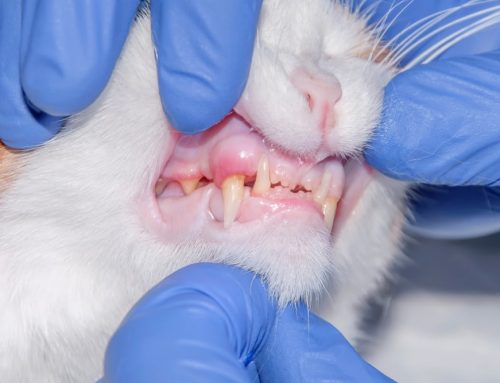
Inflamed gums, loose teeth, and oral infections cause constant, throbbing pain that many seniors hide by simply eating more slowly or avoiding certain foods. Left untreated, bacteria from the mouth can also affect the heart, kidneys, and liver- making dental care an essential part of senior wellness.
Our hospital provides advanced dental care specifically designed to keep senior pets comfortable and safe:
- Comprehensive oral exams uncover painful conditions such as resorptive lesions, broken teeth, or gum disease that cannot improve with brushing alone.
- Professional cleanings with digital X-rays allow us to safely treat diseased teeth, remove infection sources, and restore comfort.
By combining medical expertise with at-home strategies, we help senior pets enjoy pain-free eating.
Nutrition and Weight Management
Comfort in senior pets depends on staying near an ideal body condition. Too much weight amplifies pain, breathing effort, and heat stress. Too little weight erodes muscle, weakens balance, and makes it hard to stay warm or recover from illness.
When a pet is overweight
- Arthritis: Extra weight magnifies the force across hips, knees, and elbows, which increases inflammation and pain. Seniors rise more slowly, hesitate on stairs, and tire sooner, so daily routines feel harder and rest is less restorative.
- Breathing and heart strain: Fat around the chest and abdomen limits lung expansion and makes cooling inefficient. The extra work of breathing can worsen underlying heart disease, turn short walks into exhausting efforts, and lead to snoring, restlessness, and uncomfortable sleep.
When a pet is underweight
- Muscle loss and stability: Reduced muscle lowers strength and balance, so rising, stairs, and slick floors become painful or frightening. Falls and stumbles are more likely, which adds anxiety and discourages normal movement.
- Cold sensitivity and pressure sores: Thin pets chill quickly and develop pressure points over hips, elbows, and the spine. Those areas can become tender or ulcerated, making resting uncomfortable and sleep fragmented.
Keeping seniors comfortable means protecting muscle, easing joint load, and avoiding big swings on the scale. Call us if you see rapid weight change, new thirst, or visible muscle loss.
Professional Care Timeline for Seniors
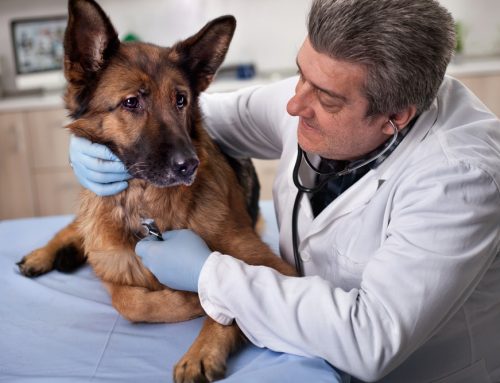
Twice-yearly checkups are the cornerstone of longevity. AAHA’s senior care recommendations outline a structured approach that includes:
- Comprehensive physical exams to detect murmurs, cataracts, dental disease, or new lumps
- Weight and body condition scoring to track fat and muscle changes
- Bloodwork and urinalysis every six months. As kidneys, liver, and thyroid age, their reserve capacity shrinks. Semi-annual bloodwork and urinalysis are vital to catch decline early.
- Blood pressure checks to uncover silent hypertension (especially in cats)
This proactive approach allows interventions before crises occur and helps pets live fuller, healthier lives.
Adapting the Home for Comfort
Creating a supportive environment helps senior pets maintain independence, reduce pain, and stay engaged with family life. Small adjustments to the home can make a big difference in daily comfort.
For All Senior Pets
Some changes benefit both dogs and cats as they age:
- Use night-lights in hallways and stairwells to guide pets with fading eyesight or cognitive dysfunction.
- Avoid rearranging furniture, since familiar layouts are easier for pets with reduced vision to navigate.
- Place water bowls in several rooms so seniors don’t need to travel far to stay hydrated.
- Provide quiet spaces away from younger or more energetic pets to reduce stress and prevent accidental injury.
- Warmed orthopedic beds provide joint relief and encourage restful sleep.
For Dogs
- Arthritis-friendly home modifications such as non-slip rugs, raised feeding stations, and cushioned bedding ease joint strain.
- Assistive devices like ramps, slings, and orthopedic harnesses support mobility on stairs, into vehicles, and across slick floors.
For Cats
- Arthritis-friendly changes such as low-entry litter boxes, stable perches, and accessible feeding stations support daily routines.
- Accommodations for senior cats may include gentle grooming help, quiet retreat spaces, and easy access to sunny windowsills.
By combining general household adjustments with species-specific accommodations, families can help their senior pets stay safe, confident, and comfortable well into their golden years.
End of Life
When comfort cannot be maintained despite treatment, a planned, peaceful goodbye can be the kindest choice. Before you reach that point, hold a family conversation and create a simple plan: define what a “good day” looks like for your pet, agree on red-line signs that would prompt a call, decide who will make the final decision if opinions differ, and note your preferences for location, timing, keepsakes, and who should be present. Writing this down reduces uncertainty and prevents a crisis from forcing hurried choices.

Supporting Pets Through Their Golden Years
Aging pets deserve more than comfort- they deserve dignity, joy, and continued companionship. With regular checkups, thoughtful home adjustments, proper nutrition, and compassionate medical care, seniors can thrive well into their later years.
At St. Petersburg Animal Hospital & Urgent Care, we are committed to proactive medicine that keeps tails wagging and purrs strong. Whether your pet needs pain management, mobility support, or urgent care, we are here every step of the way.
Take the next step today. Contact us to schedule a senior-care consultation. Together, we’ll ensure your companion enjoys brighter days throughout their golden years.





Leave A Comment